Some of Q Conference 2010 Day 2
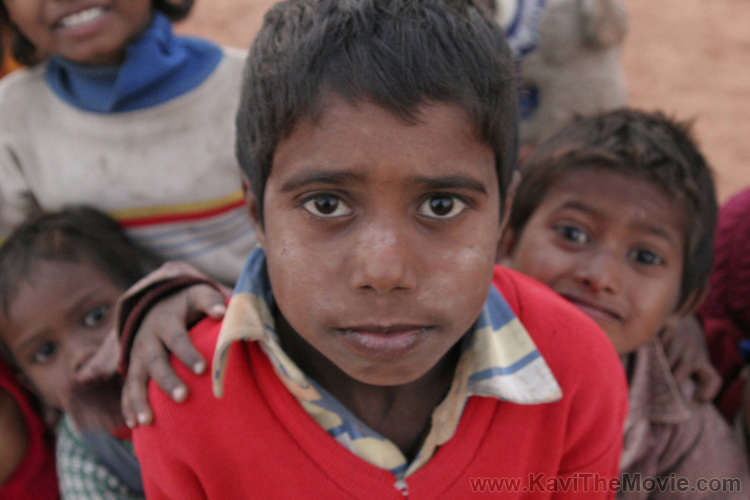
Focusing on Fatherlessness and child slavery, day two was intense. Image from Kavi, the movie
I’d like to get through a few more of the notes from the Q Conference. For those of you who have had time to wonder, I’ve been pretty much out of commission since the conference. That beautiful Chicago spring led to a massive allergy attack, which has led to lingering illness ever since. I’ve also had a quick trip to Atlanta to pick my daughter up from her sophomore year of college, so only now am I getting around to Q processing!
The afternoon of Day Two was essentially dedicated to the growing crisis of fatherlessness in America and around the world.
Roland Warren – Responding to our Fatherless
National Fatherhood Initiative
The way we relate to each other is really based on our concept of fatherhood, and fatherhood is under attack today. The epidemic of father absence is part of the enemy’s attack plan today. People today need to understand that God is a good father. They need to know what that means.
The baptism of Jesus gives us a good example of the fatherhood of God in action. As Jesus was being baptized, he heard the Father say “This is my beloved son in whom I am well pleased.” God the Father was affirming his son, publicly. Roland pointed out that this event took place right before Jesus was tempted in the desert. How important it is that we affirm our children before they face their temptations! Roland also pointed out another example of fatherhood, in the life of the young DC Sniper. “I had a hole in my soul,” he said,”That (the older man who encouraged him to join him in the shooting rampage) knew how to exploit. He knew my weakness. He knew I didn’t have a father.” This is a worldwide issue that requires a worldwide response. Finally, Roland pointed out that in most churches, the men’s ministry has nothing to do with the student ministry, but connecting the two could provide the mentors that our kids need.
Panel on Fatherlessness
John Sowers – The Mentoring Project
Esther Fleece – Focus on the Family
Marc Andreas – Bethany Christian Services
Jason Locy – Fivestone (Check his site for the video they produced for Bethany Christian Services)
The panel on fatherlessness wrapped up with a call to action to our churches and ourselves. Q would like every person to get involved in relieving the plight of fatherlessness. They offer four concrete suggestions.
- Create a city-wide mentoring initiative (goal – 10 cities)
- Foster 120 children
- Support 300 adoptive families
- Build 200 houses and orphanages in Haiti
Finally there was an individual challenge to everyone: can you give just three minutes a month to publicizing the crisis of fatherlessness?
Soledad OBrien and Jonathan Olinger – Discover the Rescued
Soledad O’Brien has been everywhere on CNN the past week with her documentary “Rescued” which explores the orphans and trafficked children in Haiti. If you haven’t seen it yet, get online and find it or look at CNN’s schedule for a rebroadcast. I watched it today as I prayed for my daughter and the team she is with in Haiti right now. It’s powerful. You can find some backstory and clips here. Listening to Soledad and Jonathan speak was powerful. Jonathan had been in Haiti documenting the stories he’d found in the orphanages long before the earthquake. When he met Soledad and joined forces with CNN, his stories have traveled around the world. One quote from Soledad stuck with me: “I’m bringing my 9 year old daughter back to Haiti to work in the orphanage with me. I want her to know that she is not just an American citizen, she is a global citizen.” This tragedy affects everyone.
Roger Sandberg – Relief and Redevelopment
Medair.org
Roger is one of those Chuck Norris kind of guys that is the first guy in after a natural disaster. His organization and Roger’s experiences helped us process the difference between immediate relief effort and redevelopment. There are so many issues facing those interested in helping after the initial rescue phase. Sometimes that help can hurt, and sometimes it can hinder the local economy from doing on its own what it needs to do. There are phases of aid: emergency relief (search and rescue), rehabilitation (transitional) and development (limited outside support). Knowing what kind of aid is needed leads to better financial decision in allocating aid money.
Brian McLaren – Conversations on being a heretic
Brian is one of those polarizing authors and pastors. In this afternoon session, he sat down with Scott McKnight and had a discussion about some of his more controversial subjects. Quite honestly, dear readers, this is not an issue that I was following before the discussion. As a result, I felt like I was listening to two friends discussing some party that I’d not attended in the first place. I’m sure that some of the other Q recaps have better information for you. I was intrigued to hear McLaren, having heard bits of his reputation. I was impressed with the fact that while McKnight and McLaren obviously had a few points of disagreement, their conversation was congenial and profitable. I can’t help but think that if we could sit and listen to people we “disagree” with before we write about them or judge them, we might find more areas of common ground than we suspected. So that’s my take-away from the McKnight-McLaren discussion: get to know them before you judge. Not too shabby, actually.
Gregg Helvey – The Story of Justice
My claim to fame: riding in the elevator at the hotel with Greg and finding out that he had been at the Oscars before his presentation. Gregg developed a short film, Kavi, which focuses on the child slave trade in India. We got to screen the movie after dinner, and it is amazing. Gregg says in the Q booklet, “I first heard about modern-day slavery back in 2001 and I was shocked to learn that there are more slaves on the earth today than there were in the entire trans-Atlantic slave trade. I went to India to see this firsthand. There, I traveled to more than twenty brick factories that all employed young boys in forced labor. I knew that the boys I met and the stories I heard would give my film the authenticity I needed.” At Q in NYC two years ago we heard Gregg discuss his movie in production. It was a privilege to hear of the miracle of its popularity and its Oscar nomination this year.
Go here to read more about Kavi, then download it on iTunes or buy the DVD.
